Funko’s speed-to-culture merchandising play
Funko is pushing faster from fandom signal to product drop, pairing a new brand marketing hire with rapid launches like KPop Demon Hunters and a broader Make Culture POP! strategy.
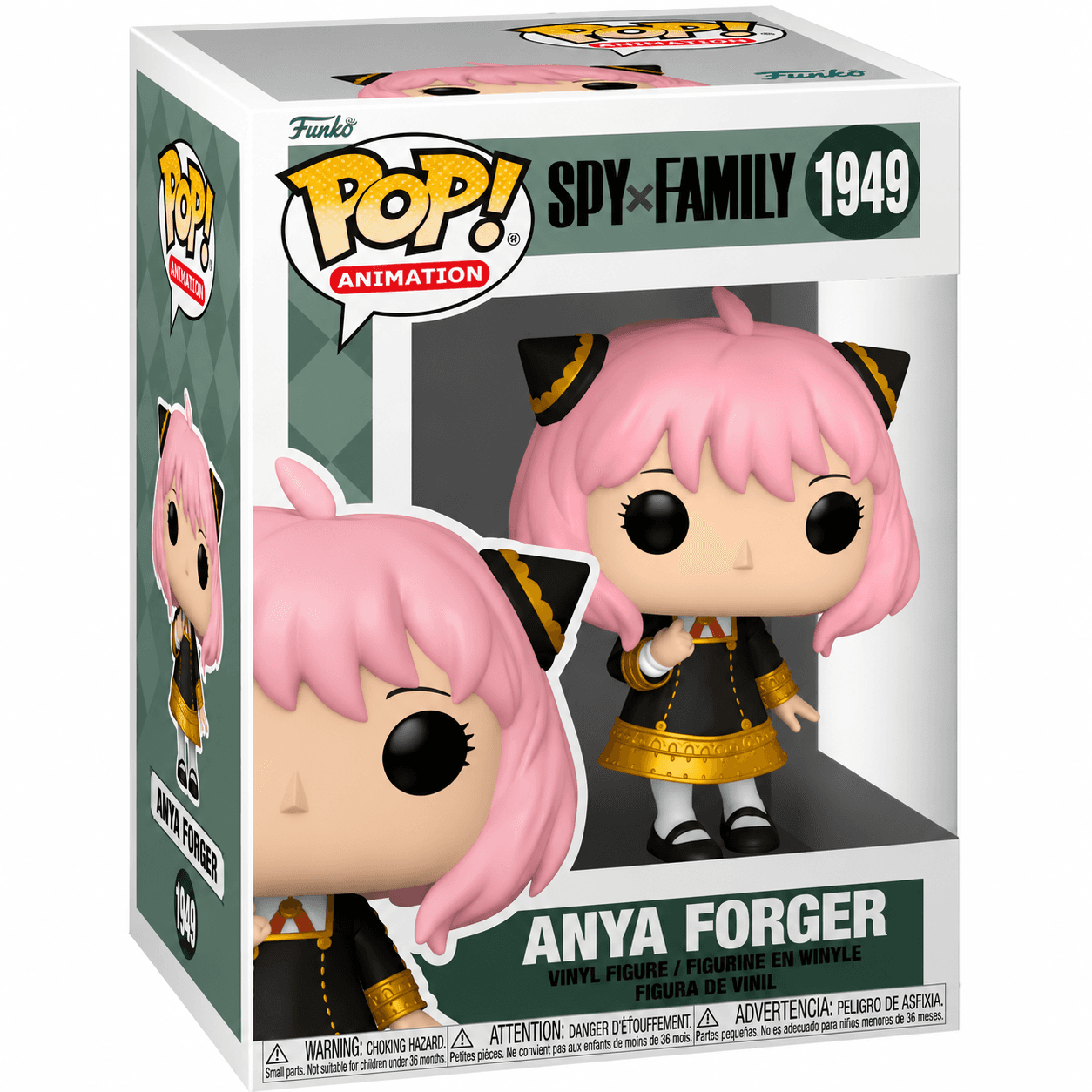
Description
Funko’s move is less about a single campaign than a faster product-and-channel system. The brand is pairing licensed collectibles with apparel, accessories, DTC merchandising, and event-led launches across franchises including KPop Demon Hunters, Stranger Things, One Piece, and Yellowstone. On its site, Funko also shows a 49-item KPop Demon Hunters assortment that spans Pop! figures, keychains, apparel, bags, and other fan merch.
Highlights
- April 2026: Funko hired Nik Rupp to lead global marketing strategy, brand storytelling, and events.
- Funko’s CEO says the brand is building operating muscle to respond to moments it sees coming and moments already unfolding, moving at the pace of culture rather than traditional merchandising cycles.
- The company’s Merch Lab folds multiple franchises into one direct-to-consumer shop, including KPop Demon Hunters, Stranger Things, One Piece, and Yellowstone.
Results
01
Funko’s Q1 2026 net sales were $200.9 million, up 5.3% year over year; gross margin hit 44.2%, which the company says is its highest ever; Europe sales rose 25.6%; and core collectibles grew 17%. Funko also says it moved quickly to be first to market with KPop Demon Hunters, and the official collection page now lists 49 items. (investor.funko.com)
Q1 2026 net sales
Up 5.3% year over year from $190.7M. (investor.funko.com)
Q1 2026 gross margin
Highest ever reported by Funko. (investor.funko.com)
Europe Q1 sales
$68.1M vs. $54.2M in Q1 2025. (investor.funko.com)
KPop Demon Hunters assortment
Official Funko page count. (funko.com)
Lowlights
The strategy still sits inside a volatile licensing-and-retail model. Funko’s full-year 2025 sales fell to $908.2 million from $1.05 billion, gross margin slid to 38.7%, and the company’s 2026 outlook assumes tariff rates of about 15%. Speed helps Funko catch more moments, but it does not remove pressure from inventory, licensing dependence, or retailer mix.
Industry Opinions
Karen Athill said Funko moved on KPop Demon Hunters because demand signals were instant and clear, and said the team accelerated every stage so the range could land while momentum was peaking. Another trade interview with Josh Simon framed the broader plan as building operating muscle to respond to moments that are already unfolding, moving at the pace of culture rather than traditional merchandising cycles.
Speed-to-market is critical for a phenomenon like this. - Karen Athill, Funko.
Takeaways
- Take 01
Watch for the first real signal, not the full trend cycle. Funko appears to key off early viewing, social traction, and fan-community formation before building product.
- Take 02
Build one property across multiple formats. Funko’s KPop Demon Hunters push spans figures, keychains, tees, hoodies, bags, and accessories.
- Take 03
Make DTC a response channel, not a separate brand universe. Merch Lab turns breakout franchises into a direct shop experience.
- Take 04
Speed wins attention, but margin and inventory still matter.