Meta Uses Bowie and Zuckerberg to Sell AI Optimism
Meta launched a CEO-fronted film that positions its AI vision as a force for human connection, using David Bowie’s Five Years to turn an optimistic message into a debate about creative fit.
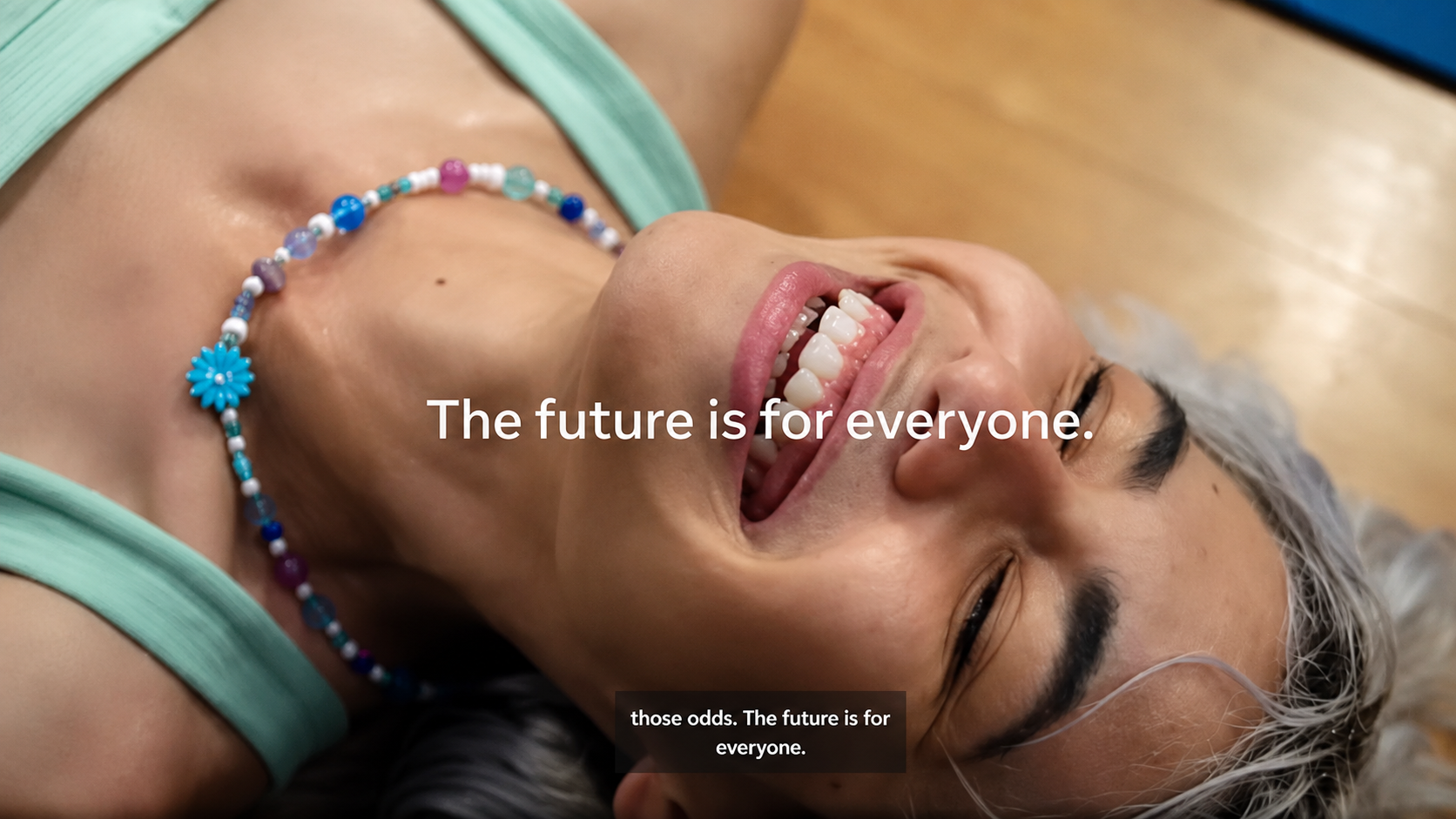
Meta has always believed in giving people the power to share, connect, and shape your world in the ways you want.
Description
Meta is making a brand-level argument in the global consumer AI market: its AI products should be understood as social infrastructure, not as a threat to human agency. The film uses Zuckerberg rather than a product demo or outside creator as the messenger, giving the launch the weight of a corporate point of view. The objective is clear from the creative: counter AI narratives centered on disconnection, displacement and fear, then recast Meta’s established connection promise for an AI-led product era. That is notable because the campaign does not merely announce a feature. It asks audiences to evaluate Meta’s AI ambition through a values frame, while distributing the message on the company’s own high-reach social platforms and through paid and earned media.
Highlights
- The launch began with a video ad attached to Zuckerberg’s Facebook message on July 23, 2026.
- The film explicitly argues that AI can strengthen human connection rather than make people less connected or leave them behind.
- Meta used Facebook and Instagram as confirmed owned channels, with a broader paid-and-earned media rollout also identified.
- The creative combines everyday-life imagery with Meta product visuals and an appearance by New York Knicks player Jalen Brunson.
- David Bowie’s Five Years provides the soundtrack, creating a deliberately high-recognition music cue with a meaning that became part of the public conversation.
- The film includes the line “22 years and 3.5 billion people later,” linking Meta’s AI argument to the company’s historical connection narrative.
Industry Opinions
Axios framed the video and Zuckerberg post as part of a broader paid-and-earned campaign that contrasts Meta’s AI vision with more dystopian messaging from rivals. The strategic read is that optimism itself is being used as a category-positioning device.
WIRED focused on the friction between the film’s positive AI message and Five Years. Its coverage suggests the soundtrack can create a second, less controllable interpretation of the work, turning a music-licensing decision into the campaign’s dominant talking point.
A commenter quoted by WIRED argued that deploying an apocalypse-themed song as the backdrop to a human-connection claim creates a credibility problem. For brand teams, the reaction is a reminder that cultural context can outweigh a track’s mood or familiarity.
Takeaways
- Take 01
If a technology category is defined by fear, build the campaign around a clear human benefit, as Meta did with connection, rather than leading with abstract technical capability.
- Take 02
If the brand promise is broad and corporate, use a senior executive only when the message requires institutional accountability; a CEO can make a point of view feel consequential, but also raises the credibility bar.
- Take 03
If launching an AI narrative on owned platforms, pair the hero film with paid and earned distribution so the message can move beyond existing followers without relying on one post.
- Take 04
If using culturally loaded music, test the song’s full narrative meaning, not just its tone, before release; an unintended interpretation can become the story audiences remember.