Talon argues reactive OOH should not stop at the final whistle
Luke Willbourn makes the case that out-of-home should keep brands inside the World Cup conversation after the match ends, when fans are still moving, buying, and talking.
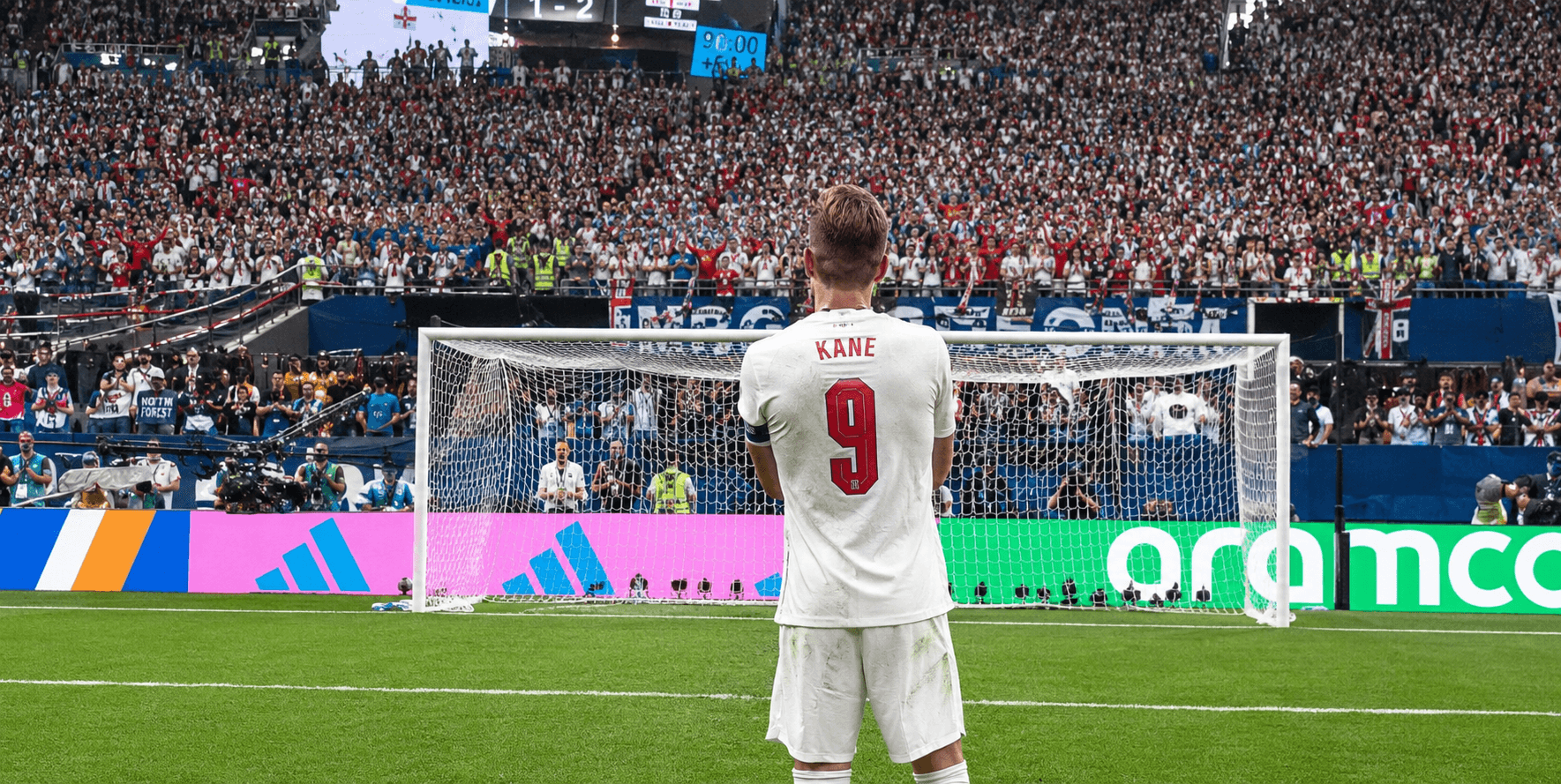
What happened
Luke Willbourn of Talon argues that reactive out-of-home should keep working after the final whistle, because the World Cup conversation continues in pubs, on commutes, and in the social feeds that follow the match.
Plan to follow the tournament
Talon World Cup OOH post, 23 Apr. 2026. (talonooh.com)
18-35s expecting to engage
Talon World Cup OOH post, 23 Apr. 2026. (talonooh.com)
Brits encountering OOH weekly
Talon World Cup OOH post, 23 Apr. 2026. (talonooh.com)
Say World Cup OOH makes them pay more attention
Talon World Cup OOH post, 23 Apr. 2026. (talonooh.com)
Say World Cup OOH influences match-day purchases
Talon World Cup OOH post, 23 Apr. 2026. (talonooh.com)
Why it matters
The point is less about generic reach than about when and where attention peaks. Talon’s own World Cup OOH argument says match days send people into supermarkets and other out-of-home environments, while OOH Today frames the tournament as hyper-local and shaped by identity, language, and community. For brands, that means creative and buying plans have to flex by market and moment rather than sit frozen until kickoff.
Industry opinions
The wider read is consistent: the World Cup is best understood as a set of high-intent local moments, not a single global audience. That framing keeps coming up in strategist commentary, and it leaves little room for brands that only show up when the match clock is already running.
- Luba Giglia, COO at AdOmni, says the World Cup is not one audience but thousands of fragmented, high-intent moments shaped by national identity, diaspora communities, match timing, and where fans gather locally.
- In a DawBell roundtable, Luke Willbourn said the real opportunity is for brands that can be nimble enough to attach themselves to reactive cultural moments. He also warned that audiences can see through brands that suddenly act like football marketers without any prior connection.
- Jordan Levy of Connect Management said this may be the first World Cup where people consume more creator reactions to game moments than post-match conferences.