Nike проти Adidas на Чемпіонаті світу 2026: масштаб проти футбольної ефективності
Nike купувала охоплення на ТБ і стримінгових платформах. Adidas зробила ставку на футбольну культуру, дистрибуцію через авторів контенту та видимість офіційного спонсора - і перевершила конкурента за взаємодією та цінністю зароблених медіа.
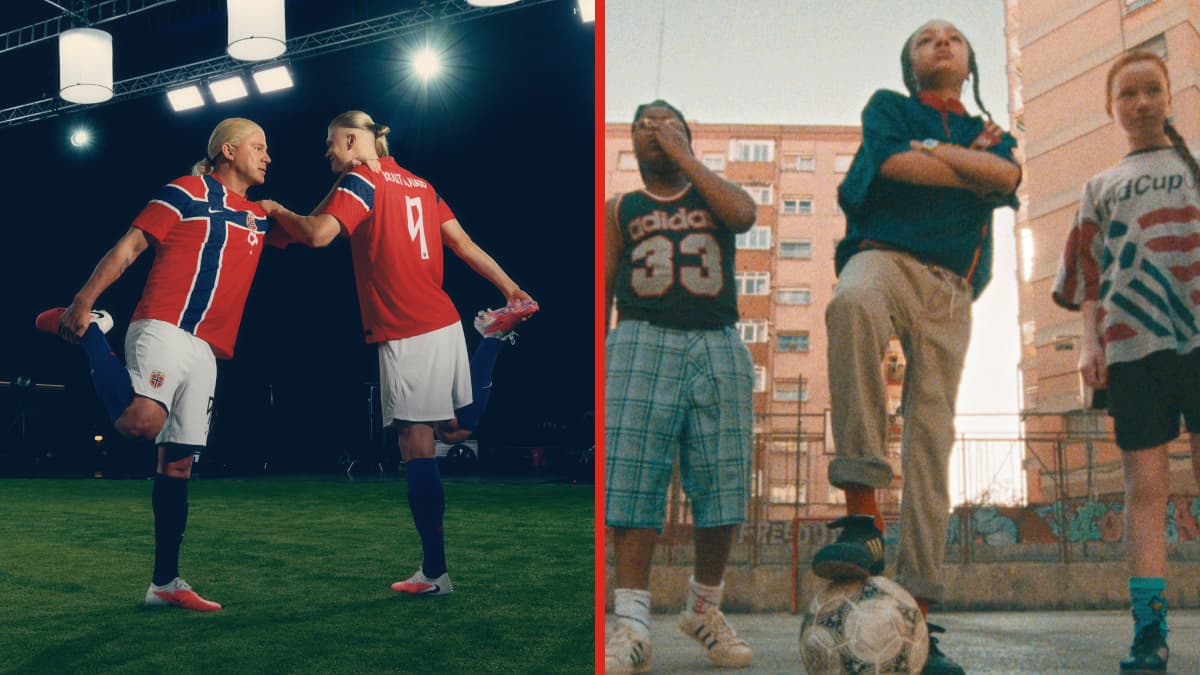
Nike та Adidas перетворили Чемпіонат світу 2026 на маркетинговий тест із двома різними підходами: Nike використала ширший медіамікс зі стримінгом, лінійним ТБ і соціальними мережами, тоді як Adidas зосередилася на футбольному сторітелінгу, розміщеннях як офіційний спонсор і дистрибуції за участю авторів контенту.
Опис
Nike увійшла в турнір зі слабшими комерційними позиціями: останні результати компанії показали незмінну виручку та скорочення валової маржі, тоді як Adidas говорила про розширення у США та 14% квартального зростання виручки. Обидва бренди розпочали Чемпіонат світу як спонсори 26 команд-учасниць, але Adidas також здобула пізню перевагу, коли Англія та Франція вибули, а фінал перетворився на демонстрацію всього в смужках. Nike відповіла Rip the Script - роликом із великою кількістю знаменитостей за участю Cristiano Ronaldo, Vinicius Junior, Erling Haaland, LeBron James і Lisa з BLACKPINK. Adidas протиставила йому Backyard Legends, а потім La Final, зберігши креатив ближчим до футболу й зробивши Lamine Yamal та Lionel Messi фінальними героями турніру.
Ключові моменти
- Nike закупила більше ефірного ТБ: орієнтовно $29,6 млн у червні проти $19,9 млн у Adidas, а загальніші витрати на медіа також були вищими у Nike.
- Adidas агресивніше використовувала платні соціальні мережі та онлайн-відео, опублікувавши після запуску майже 1 000 роликів проти 217 у Nike.
- Кампанія Nike згенерувала орієнтовно 3,64 млрд показів, але Adidas досягла вищої ефективності взаємодії та більшої цінності зароблених медіа.
- Adidas демонструвала стабільнішу присутність у соціальних мережах серед офіційних спонсорів: на бренд припало 17,1% дописів у соціальних мережах зі згадками брендів-партнерів.
Результати
01
Nike перемогла за витратами й масштабом, тоді як Adidas - за ефективністю, активністю в соціальних мережах і цінністю зароблених медіа. CEO Nike Elliott Hill заявив, що до середини турніру компанія вже продала у 2,5 раза більше футбольної форми, ніж за весь турнір 2022 року. Продажі Adidas, пов’язані з Чемпіонатом світу, становили $1,71 млрд - більше за попередній прогноз у $1,1 млрд, і очікувалося, що бренд незначно випередить Nike за комерційними результатами.
Витрати на ефірне ТБ
Оцінка AdClarity за червень, коли транслювалася більшість матчів турніру.
Цінність зароблених медіа
Оцінка CreatorIQ за перші три тижні після запуску кампанії кожного бренду.
Позитивна тональність
Середній рівень позитивної тональності Sprout Social на основі згадок і взаємодій.
Згадки
Моніторинг соціальних мереж Meltwater у перші три тижні після запуску.
Перегляди на різних платформах
Загальна кількість переглядів Tubular на платформах Nike у соціальних мережах після запуску.
Слабкі сторони
Найбільша перевага Nike - сам масштаб - стала і її слабкістю. Бренд згенерував більше охоплення та згадок, але Adidas перевершила його за рівнем взаємодії, позитивною тональністю та цінністю зароблених медіа. Adidas також мала структурні переваги: статус офіційного спонсора FIFA, раніший старт кампанії та футбольну спадщину, завдяки якій її креатив органічно вписувався в турнір.
Думки індустрії
Andrew Tindall вважає, що Adidas зробила ставку на один масштабний ключовий ролик, тоді як Nike побудувала ширший футбольний всесвіт із багатьох менших точок контакту - це протистояння впізнаваності та фрагментації. Daniel-Yaw Miller в подкасті Glossy зазначив, що Adidas досі має на своєму боці ностальгію та футбольну історію, тоді як Nike використовує подію, щоб відновити свої позиції у футболі. Загальний висновок простий: Adidas виглядала органічнішою для цього виду спорту, а Nike - масштабнішою та більш експериментальною.
Менше одного ключового ролика, більше футбольного всесвіту.
Висновки
- Висновок 01
Якщо ви культурно володієте спортом, не варто надмірно купувати широке охоплення. Футбольний підхід Adidas забезпечив вищу ефективність взаємодії, ніж ширший культурний склад Nike.
- Висновок 02
Оцінюючи велике спонсорство, відокремлюйте метрики масштабу від бізнес-метрик. Nike перемогла за витратами та показами, але Adidas виграла тест на ефективність.
- Висновок 03
Використовуйте права офіційного спонсора, щоб вивільняти бюджет для інших напрямів. Adidas використала статус у FIFA, щоб зосередити ресурси в каналах із точнішим таргетингом, а не намагатися бути всюди одночасно.