Burger King France перетворює телевізійну ностальгію за 80-ми та 90-ми на колекційне меню
Меню Boomer King від Burger King France використовує пародії на телевізійні заставки, колекційні предмети доби та короткі відео, щоб запропонувати дорослим формат дитячого меню.
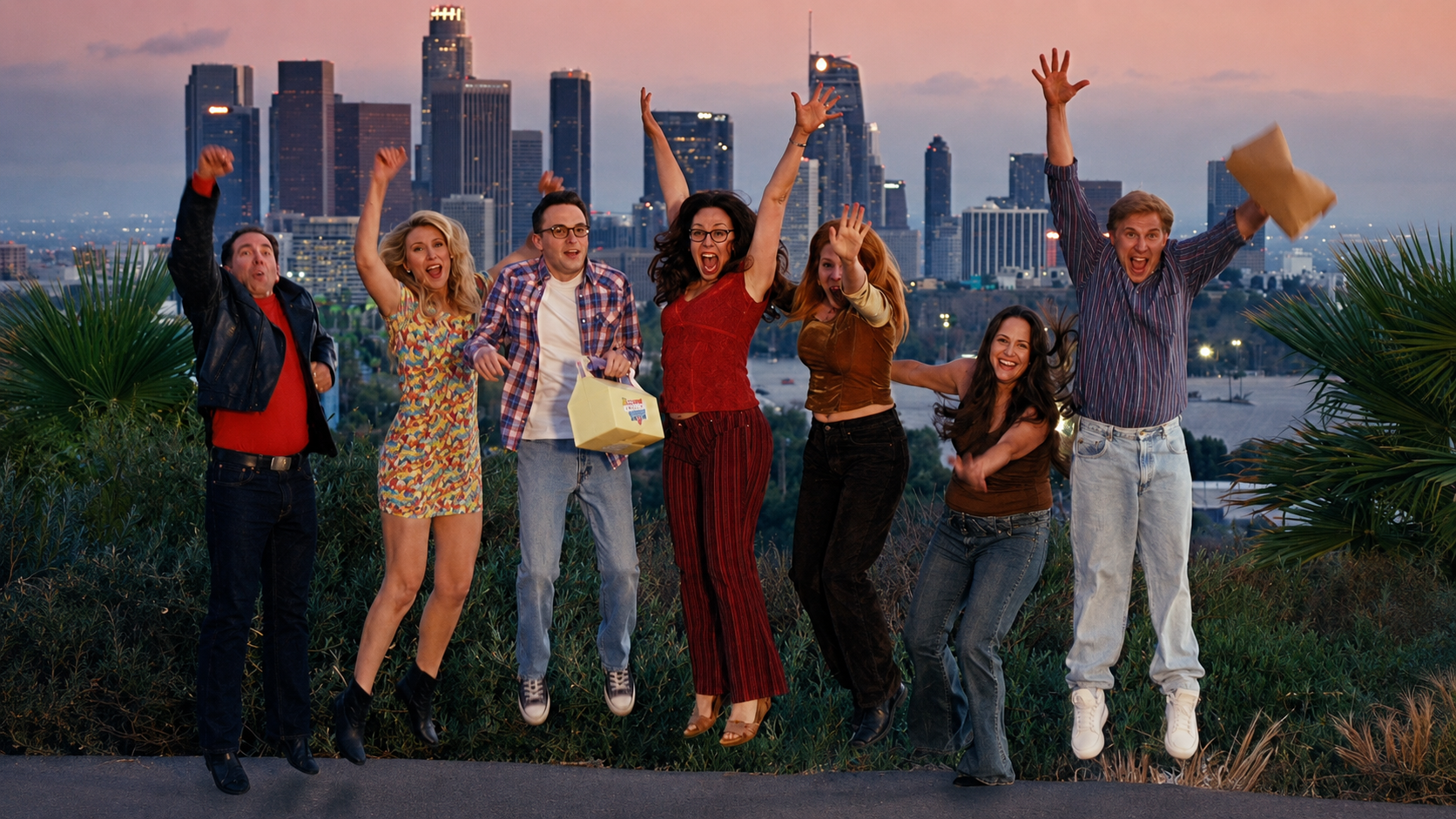
Опис
На конкурентному французькому ринку закладів швидкого обслуговування Burger King за допомогою Boomer King переосмислює звичну для фастфуду модель: замість меню з подарунком для дітей бренд пропонує ностальгійним дорослим комплексний обід у коробці, побудований на телевізійній культурі їхньої молодості. Кампанія відтворює навмисно перебільшені музику, графіку, пози та режисуру заставок того періоду, роблячи рекламу частиною досвіду продукту. Меню обмеженої серії вирізняється тим, що ностальгія тут не зводиться до візуальної відсилки у ролику: вона продовжується в пропозиції ресторанів, випадковому колекційному предметі та медіакампанії на телебаченні, в онлайн-відео й соціальних мережах. Публічно меню також називають Bienvenue les boomers, тоді як Boomer King — назва продукту.
Основне
- Buzzman створила кампанію для Burger King France, Boner & Boner продюсувала ролик, а Samouraïs виступила режисером.
- Ролик пародіює аудіовізуальну мову класичних телевізійних заставок 1980-х і 1990-х, а не просто вставляє ретровідсилки до стандартної реклами їжі.
- Кожне меню Boomer King містить один випадковий колекційний предмет: шкарпетки Sauvés par le Gong, футболку K2000, чашку Charmed або склянку Beverly Hills, 90210.
- Пропозиція включає меню Big King, Canada Dry і десерт Galak King Fusion як частину ретротематичного досвіду.
- Кампанію запустили 21 липня 2026 року на телебаченні, в онлайн-відео/VOL і соціальних мережах.
- Креатив підготували у відеоформатах тривалістю 10, 20 і 30 секунд, тож одна впізнавана ідея працює в різних контекстах медіабаїнгу.
Думки індустрії
Trend Hunter представив Boomer King як ностальгійне меню, де ретротелевізійна культура та колекційні предмети перетворюють культурну пам’ять на привід купити меню обмеженої серії. Такий підхід підкреслює силу поєднання медіаідеї з матеріальним подарунком, а не використання ностальгії лише як рекламної декорації. Journal du Geek зосередився на критиці назви Boomer King, зазначивши, що телевізійні відсилки більше резонують із людьми, народженими після покоління бебі-бумерів. Це виявляє центральну напругу кампанії: реалізація може сприйматися як тепла данина поваги, водночас назву для аудиторії можуть вважати неточною або провокативною. The Drum підкреслив точність пародії на телевізійні заставки та розгортання кампанії на ТБ і в цифрових каналах. У такому ракурсі кампанія постає креативною системою, побудованою на форматі: впізнаваний візуальний прийом адаптовано для відео різної тривалості й каналів.
Висновки
- Висновок 01
Якщо ваша аудиторія має спільні спогади про розваги, будуйте навколо них не лише рекламу, а й продуктовий досвід: Boomer King робить ретровідсилання доступним для купівлі завдяки коробці та колекційному предмету.
- Висновок 02
Якщо кампанія спирається на ностальгію, використовуйте конкретну виконавську мову — наприклад, музику, кадрування та графіку телевізійних заставок, — а не загальну ретростилістику, що могла б належати будь-якому десятиліттю.
- Висновок 03
Якщо коротка промокампанія має працювати в різних відеомедіа, створіть одну безпомилково впізнавану ідею, яка витримає версії на 10, 20 і 30 секунд.
- Висновок 04
Якщо колекційні предмети важливі для конверсії, зробіть їх візуально відмінними та випадковими, але чітко поясніть принцип випадкового розподілу, щоб дефіцит не перетворився на проблему сервісу.
- Висновок 05
Якщо використовуєте назви поколінь як жарт, до запуску перевірте їх на відповідність реальному віковому складу та культурному словнику аудиторії: провокативна назва може затьмарити навіть ефективний креатив.